Whitehall Village is the island hub; it's where people arrive and depart on the ferry; the hotel, hostel & cafe, B&B, heritage centre and one of the 2 island shops are all located there. It's a linear village on the north coast of the island, overlooking the small island of Papa Stronsay. It was founded as a herring fishing station in the early 19th century at the eastern end of the settlement. It expanded gradually, peaking in size in the early twentieth century, when much of the existing core of the village was built. The village is defined architecturally by a crescent formed from individual buildings around the curved shoreline between the main piers at either end; this gives the village a well-defined spacial character.
During the NILPS development phase it became clear through community consulation and engagement that there were unique challenges facing the historic settlements in the north isles, including Whitehall Village, where there were concerns about a declining population and less footfall. Whitehall has so much to offer in in terms of its built environment and telling the story of the islands history, this project provided an opportunity to enhance and improve the public character of the village.
Key buildings and structures were identified for restoration and funding also supported Stronsay Heritage Society, a sub group of Stronsay Development Trust, to create a heritage trail through the village offering residents and visitors alike the opportunity to spend more time in the village and learn more about its history and heritage - interpretation panels and plaques have been designed and installed at key points through the village trail and an online guide will also follow to accompany the physical interpretation in the landscape.
SS Athenia - Boathouse
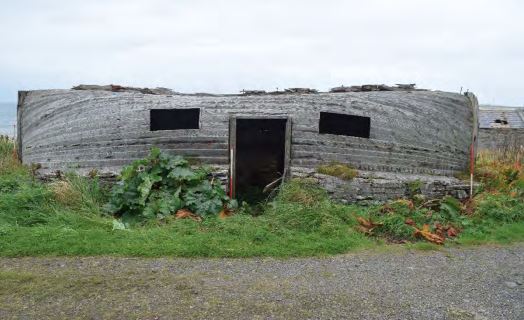
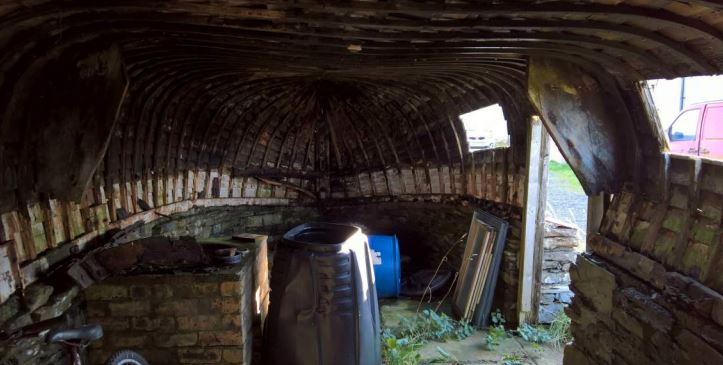
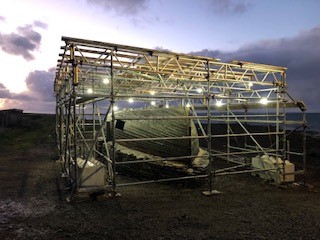
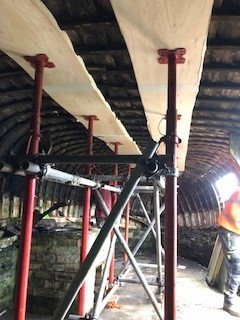
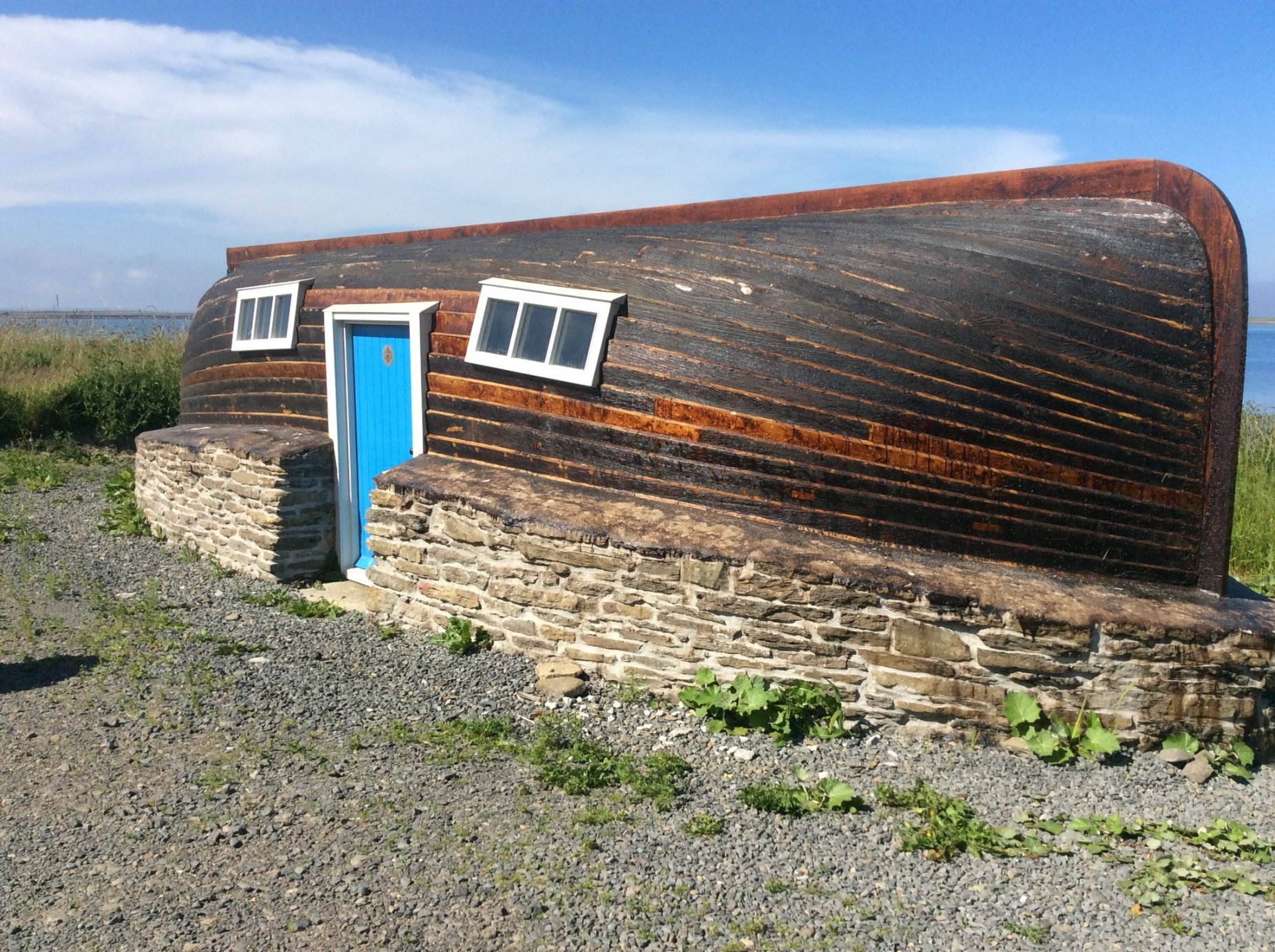
The Athenia boat house is located at the west end of Whitehall Village. The SS Athenia was the first British passenger ship to be sunk during World War II. It was torpedoed by U-boat U-30 on 3 September 1939 with the loss of 117 civilian passengers and crew. One of the lifeboats from the ship was found in Shapinsay before it made its way to Stronsay and was eventually acquired by Mr J Chalmers of Seaview who moved it from the foreshore at the Lower Station, where it had previously been in use, to the foreshore at Seafield and converted it into a boathouse in the 1950s where it has stood since.
Time had taken it's toll on the 'boatiehoose' and during the development phase of the NILPS programme the restoration of this unique structure became a key project for inclusion in the Whitehall conservation projects. It's a unique structure with a fascinating history. The pictures below show it's transformation.
Tidal Toilet
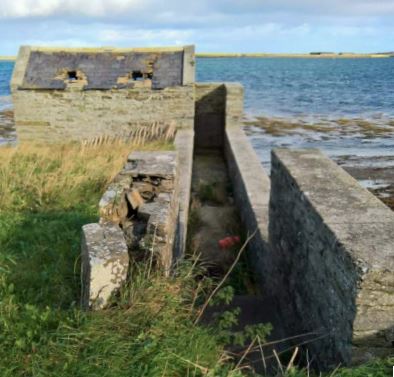
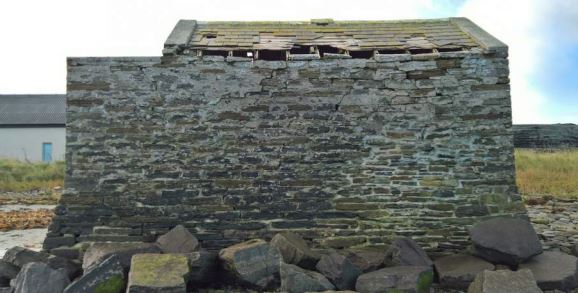
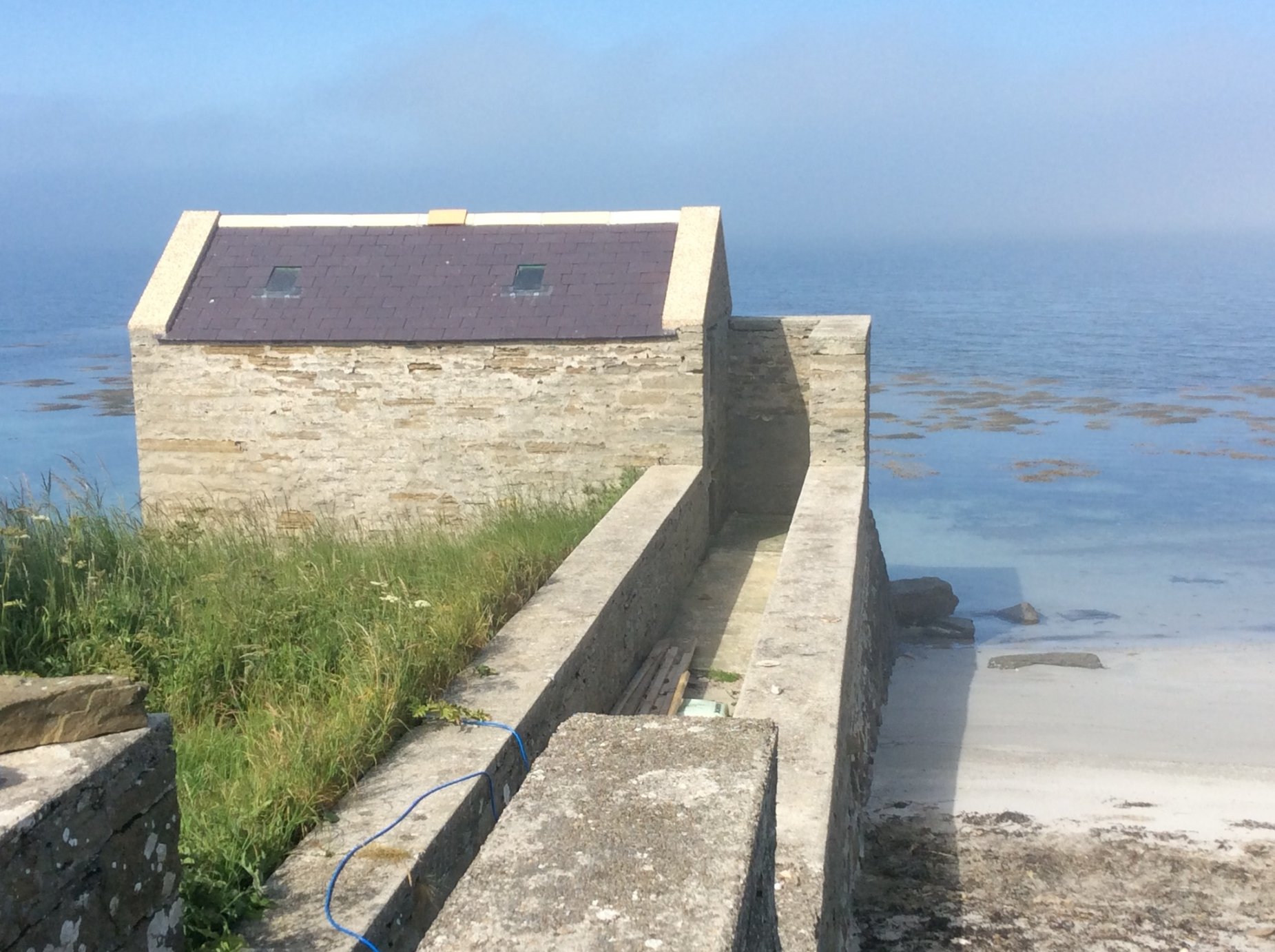
Close to the Athenia lifeboat house is the tidal toilet, a stone built building on the intertidal zone of Papa Sound. The tidal toilet offered facilities for women working as gutters and packers during the boom of the Herring fishing industry in Stronsay in the early 20th Century. From the 1880s through to it's decline in the late 20s and 30s, and finally the outbreak War in 1939, Whitehall was an important herring fishing port and the island population would swell by 4000 during July and August as the fishing fleet descended. It would bring boats, curers, merchants, general hands and 'herring lasses' (who gutted and packed the fish) to the island as they followed the shoals around the coast.
The tidal toilet in Whitehall is slightly differnt to other examples in Orkney (in Balfour village, Shapinsay and St Margaret's Hope, South Ronaldsay), it's larger but this is probably because it might not have been originally built as a public convenience, but part of buildings constructed as part of a fish curing yard and converted.
The building is fairly unique, and although required attention, was in overall good condition and it forms part of the significant herring industry story in Whitehall. Work included repair to the roof, external walls, repointing, repair to the interior and reinstating internal fittings.